
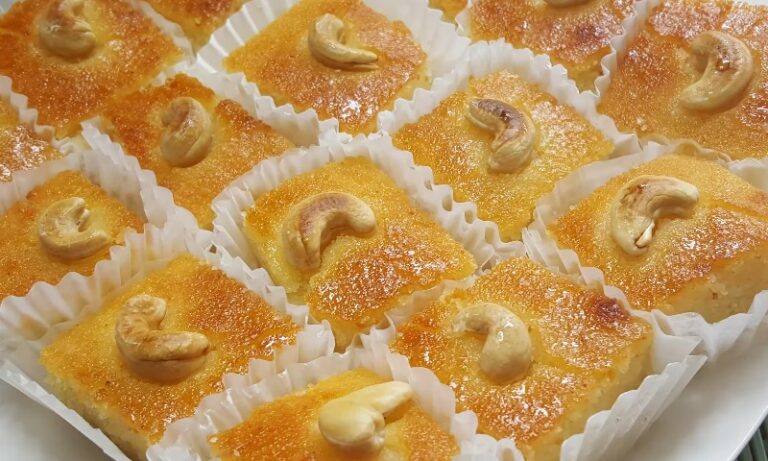
Imagine a dessert that melts in your mouth with every sweet, syrupy bite. This traditional Middle Eastern treat is famous for its incredible texture and rich flavor. The soft semolina cake soaks up a fragrant sweet syrup, creating a perfect balance.
Today, you can bring this beloved dessert right into your kitchen. Our guide walks you through each simple step. Whether you’re new to baking or have years of experience, this recipe is designed for success.
You will learn the authentic methods that guarantee a moist, crumbly texture. The process focuses on traditional techniques passed down through generations. Your result will taste just like it came from a professional bakery.
Share this beautiful semolina cake with family and friends. They will love the delightful combination of flavors. Get ready to create a memorable dessert experience that everyone will enjoy.
Discovering the Rich Heritage Behind Harissa Nabakeyah
Long before home bakers could recreate it, this syrupy dessert was a prized stop on a historic route. Its story is deeply connected to travel and tradition in the Middle East.
Historical Background and Cultural Significance
Before the Syrian civil war, travelers between Damascus and Homs planned a special detour. They stopped at the famed cake maker Al-Nabqi to savor this ancient recipe.
Raslan remembers enjoying an almost identical cake as a child. It was sold in local candy stores as a professional-grade treat. Because it needed special equipment, families rarely made it at home.
The Basbousa Project and Traditional Roots
Today, this recipe is celebrated by the Basbousa Project. This cultural initiative works to preserve the region’s timeless dessert traditions.
You can now explore the historical significance of a sweet once locked behind bakery doors. Discover an authentic version of this traditional recipe and connect with its rich past.
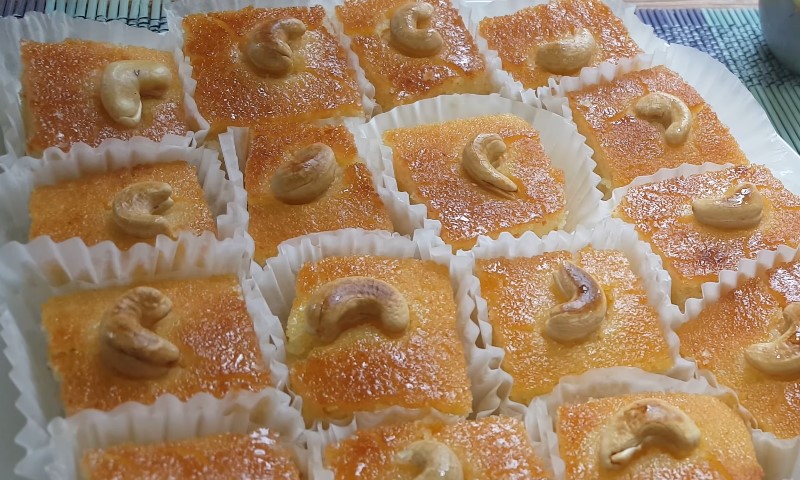
Harissa Nabakeyah Recipe, Soft Semolina Cake With Sweet Syrup
Ingredients
Equipment
Method
Prepare the Semolina Base:
Place the semolina in a large bowl and leave it uncovered for 8–12 hours.This step is essential for achieving the signature soft texture.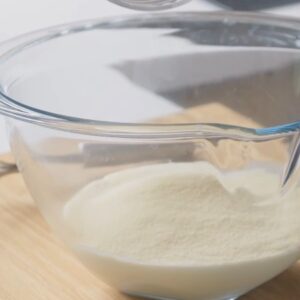
Make the Syrup
In a saucepan, combine sugar and water.Bring to a boil, then simmer for 5–7 minutes.Add lemon juice and optional floral water.Set aside to cool slightly.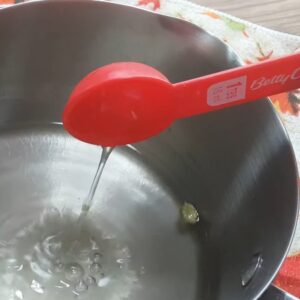
Prepare the Dough and Rest
Mix semolina with sugar, powdered milk, and baking soda.Gradually add melted samneh and mix until it resembles moist sand.Press the mixture evenly into a greased baking tray.Let it rest (proof) for about 15–20 minutes.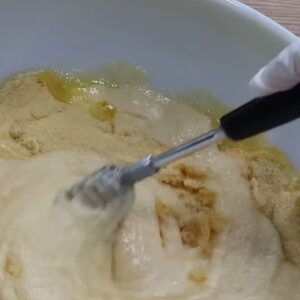
Bake
Preheat oven to 200–220°C (400–425°F).Place tray on the lowest rack.Bake for 20–25 minutes until golden.Avoid opening the oven during baking.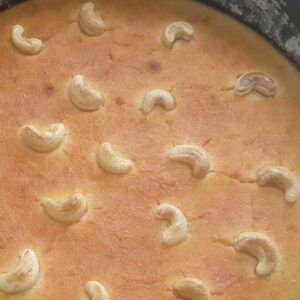
Cut and Soak
Cut into 2.5 cm squares while still hot.Pour hot syrup evenly over the cake.Brush lightly with additional samneh.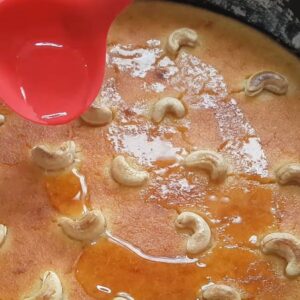
Rest and Serve
Let the cake sit for 7–10 minutes until syrup is fully absorbed.Serve warm or at room temperature.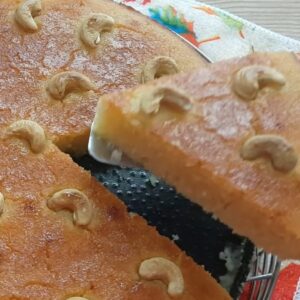
Video
Notes
Cooking Tips
- Letting semolina rest overnight is crucial for authentic texture.
- Use coarse semolina only—fine semolina will change the result.
- Do not skip the misting step; it helps pistachios adhere perfectly.
- Pour syrup while both cake and syrup are hot for best absorption.
- For extra flavor, add a pinch of cardamom to the syrup.
FAQ
Conclusion
Congratulations on mastering a dessert that brings a taste of Middle Eastern tradition to your table. You have successfully recreated the authentic flavors of a soft semolina cake in your own kitchen.
We hope you enjoyed every step, from the long proofing time to adding crunchy pistachios and rich samneh. These traditional methods transform simple ingredients into something special.
Mastering these techniques lets you appreciate the history behind regional products. Once, this cake was only found in professional candy stores.
Now you can bake this sweet, syrup-soaked delight for friends and family anytime. For more details, explore this authentic traditional recipe.
Thank you for joining this culinary exploration. It celebrates a classic recipe preserved by efforts like the Basbousa Project.