
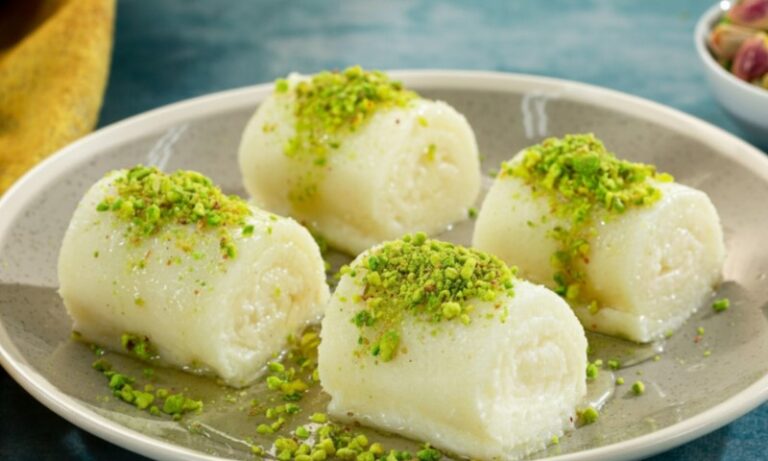
Imagine a delicate Middle Eastern sweet that combines stretchy cheese dough, rich clotted cream, and a sweet syrup. This treat is a celebration of texture and flavor.
You can create this restaurant-quality dessert in your own kitchen. Our easy recipe guides you through the process in less than 30 minutes.
Simple ingredients like mozzarella and semolina transform into an elegant, sophisticated dessert. It is perfect for any festive occasion.
The combination of chewy dough and velvety cream filling melts in your mouth. Every bite offers a unique and unforgettable experience.
Whether celebrating Ramadan or hosting a dinner party, this sweet will impress your guests. Its authentic flavors bring a touch of tradition to your table.
Follow this step-by-step guide to master the art of these beautiful cheese rolls. You will be proud of the delicious result.
Introduction to Halawet El Jibn
Translating literally to “the sweetness of cheese,” this dish is a testament to the ingenuity of regional confectionery. Originating from Lebanon and Syria, it is an elegant and utterly gourmet treat.
The magic lies in two parts. A soft, stretchy dough made from cheese and semolina forms a delicate wrapper. This envelope holds a rich, milky clotted cream filling.
You will find this sweet is a quintessential Middle Eastern dessert. Its beautiful presentation and unique taste have gained fans worldwide. For a detailed walkthrough, explore this classic recipe.
| Component | Texture | Key Ingredient | Role |
|---|---|---|---|
| The Dough | Stretchy, Pillowy | Fresh Cheese | Forms the delicate outer layer |
| The Filling | Creamy, Velvety | Clotted Cream (Ashta) | Provides the rich, milky center |
| The Combination | Contrasting & Melting | N/A | Creates the unforgettable eating experience |
This halawet jibn is more than just a dessert. It reflects generations of pastry precision. The unique, pillowy texture truly melts in your mouth.
History and Cultural Roots of This Middle Eastern Dessert
In the 1870s, a simple street snack in Hama, Syria, sparked a delicious revolution. It is believed that Asaad Salloura’s great-grandfather first created the concept. Vendors sold these modest treats on the go, carrying them over their heads.
There is a friendly but long-standing debate about its true birthplace. Some claim it for Homs, Syria, while others champion Tripoli, Lebanon. This debate shows the strong pride in local culinary traditions.
The original dish was a plain strip of semolina and cheese. Over time, it evolved into the refined, cream-filled roll we love today. This transformation turned street food into a delicacy for weddings and celebrations.
| Claimed Origin | Country | Key Historical Note |
|---|---|---|
| Hama | Syria | Widely credited as the birthplace, invented in the 1870s as street food. |
| Homs | Syria | A strong contender in the origin debate, with its own proud culinary history. |
| Tripoli | Lebanon | Another claimant, highlighting the dessert’s spread across the region. |
Respect for the pastry chefs who honed these techniques is essential. They preserve the food culture and legacy of these iconic traditional recipes. Understanding these roots adds deep appreciation for the craftsmanship behind halawet jibn. The story of halawet jibn is a testament to enduring culinary artistry.
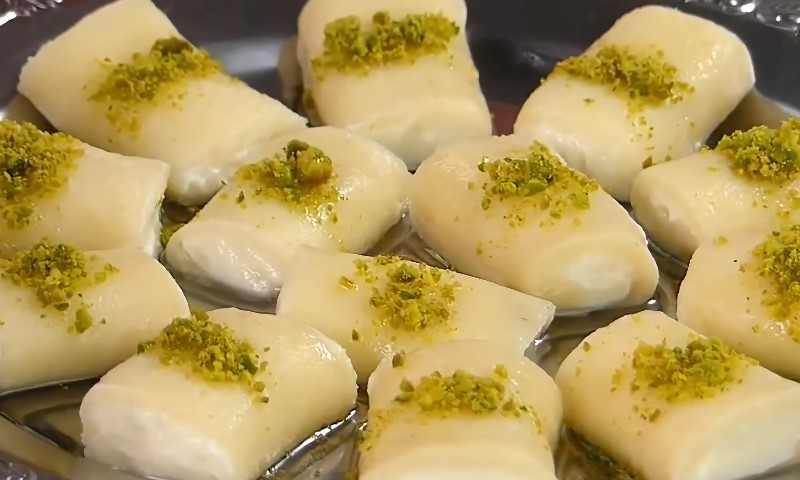
Halawet El Jibn Recipe, Cheese Rolls Filled With Cream and Syrup
Ingredients
Equipment
Method
- Step 1: Prepare the Sugar Syrup: In a saucepan, combine sugar, water, and lemon juice.Bring to a boil, then reduce to a simmer for 10 minutes (uncovered).Remove from heat and stir in rose water and orange blossom water.Let cool completely.
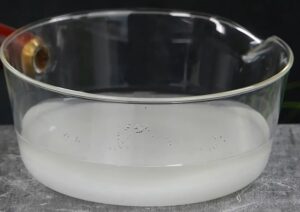
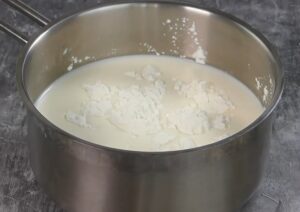
- Step 2: Make the Cream Filling (Ashta): In a saucepan, whisk milk, cream, cornstarch, and sugar.Cook over medium heat, stirring constantly until thickened.Remove from heat, stir in rose water.Transfer to a bowl, cover, and chill for at least 1 hour.
- Step 3: Prepare the Cheese Dough: In a saucepan, heat water and sugar until dissolved.Add semolina and stir continuously until thickened.Add mozzarella and reduce heat to low.Stir vigorously until melted and a smooth dough forms.Add floral waters and mix well.
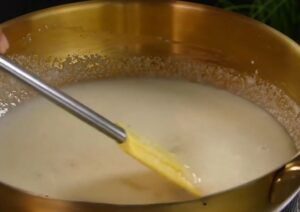
- Step 4: Roll the Dough: Transfer warm dough onto plastic wrap.Cover with another sheet of plastic wrap.Roll into a thin rectangle (approx. 9x13 inches).
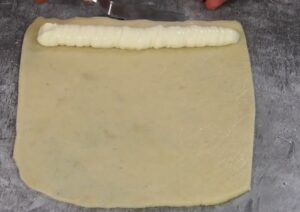
- Step 5: Fill and Shape: Pipe a line of cream along one edge of the dough.Roll tightly into a log.Cut into 2–3 inch pieces using a sharp knife or pizza cutter.
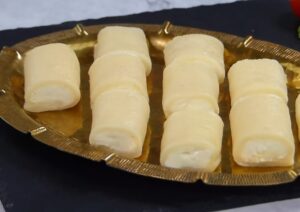
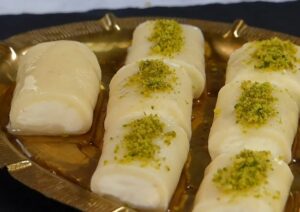
- Step 6: Assemble and Serve: Arrange rolls on a serving plate.Drizzle generously with cooled syrup.Sprinkle with crushed pistachios.Serve chilled or at room temperature.
Video
Notes
Cooking Tips
- Use fresh mozzarella for best stretch and ease.
- Always roll the dough while warm to avoid cracking.
- Keep dough covered to prevent drying out.
- If dough stiffens, add a teaspoon of warm syrup to soften.
- Chill filling completely before piping to maintain structure.
- Do not overcook syrup—it should remain light, not thick.
Serving Suggestions and Storage Guidelines
You can enjoy these cheese rolls now or save them for later with simple tips. Proper presentation and storage keep your dessert fresh and beautiful.
For the best results, garnish your pieces with ground pistachios right before serving. This keeps the nuts vibrant and crunchy. A sprinkle of crushed pistachios adds color and texture.
You can store leftovers in the refrigerator for up to four days. Keep them tightly covered with plastic wrap to prevent the dough from drying out.
Freezing is an excellent option for long-term storage. Wrap the stuffed pieces tightly in an airtight container. Freeze them plain, without syrup, for up to one month.
If preparing for a party, save time by making the cream filling and sugar syrup a day in advance. This strategy makes assembly quick and stress-free. Many recipes benefit from this make-ahead approach.
Serve your dessert with extra syrup on the side. This allows guests to drizzle as much sweetness as they like over their individual portions. The sugar syrup ties all the flavors together.
| Storage Method | Duration | Key Tips |
|---|---|---|
| Refrigeration | Up to 4 days | Wrap tightly in plastic to prevent dough from drying; garnish with pistachios just before serving. |
| Freezing | Up to 1 month | Freeze plain rolls without syrup; thaw in fridge before serving. |
| Make-Ahead Components | 1 day advance | Prepare ashta cream and sugar syrup; store separately in airtight containers. |
For a citrus twist, explore this recipe for lemony sweet cheese rolls. It offers a refreshing variation on classic cream-filled desserts.
FAQ
Conclusion
Your kitchen can now produce a stunning dessert that rivals any found in a traditional bakery. Mastering halawet jibn at home is a truly rewarding experience.
You have learned to balance the stretchy cheese dough with rich cream and fragrant syrup. This creates the perfect Middle Eastern dessert for any special time.
Remember, the secret lies in your ingredients. Quality mozzarella and aromatic floral waters make all the difference in these recipes.
We hope you enjoy sharing these beautiful rolls. Topped with crushed pistachio, they are a delicious way to create sweet memories with loved ones.